⚠️ Incident Debrief #002
MV Dali — How One Loose Wire Collapsed a Bridge and Killed Six
Vessel
MV Dali (containership)
Location
Baltimore, Maryland, USA
Deaths
6 construction workers
Incident Type
Blackout · Bridge Strike
Root Cause
Loose wire + broken fuel pumps
Criminal Charges
Chief Engineer + Synergy Marine
Source
NTSB MIR-25-10 / DOJ 2026
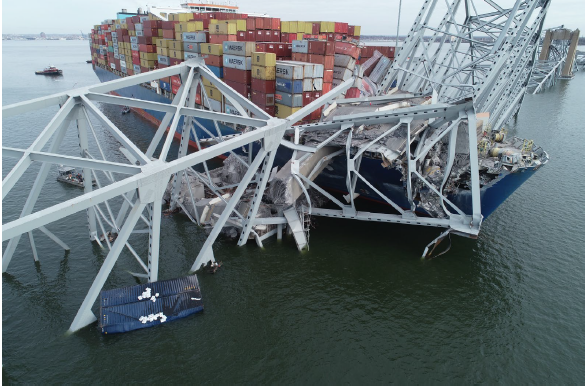
MV Dali with portions of the collapsed Francis Scott Key Bridge across its forward deck — 26 March 2024. A single loose wire triggered the chain of events that led to this. Source: NTSB / US Coast Guard.
6
Construction workers killed — on the bridge at 1:29am
58s
Duration of first blackout — caused by one loose wire
984ft
Length of the Dali — nearly 300 metres of uncontrolled ship
$5.2B
Estimated cost to replace the Francis Scott Key Bridge
30x
Bridge's collapse risk was 30 times above acceptable threshold
What Happened
A 984-Foot Ship, a Loose Wire, and a Bridge That Wasn't Ready
At 1:29am on 26 March 2024, the 984-foot Singapore-flagged containership MV Dali was departing Baltimore Harbor — heading outbound through the Fort McHenry Federal Channel. Seven road maintenance workers were on the Francis Scott Key Bridge above, carrying out overnight repairs.
Within minutes, the Dali experienced a complete loss of electrical power and propulsion. The ship had no steering, no bow thruster, and virtually no lighting. It was drifting towards one of the most critical bridge piers in Maryland at 8–9 knots with no way to stop.
The pilot gave the order to drop anchor — the last possible option. The crew sent a mayday. Police managed to stop traffic on the bridge. But there was not enough time. At 1:29am, the Dali struck Pier 17, the southern pier supporting the central span of the Francis Scott Key Bridge. The bridge collapsed. Six workers — who had not yet been cleared from the bridge — died.
The engineering question that matters: How does a modern, fully crewed containership lose all power and propulsion while transiting one of America's busiest ports — and why wasn't it stopped before it happened?
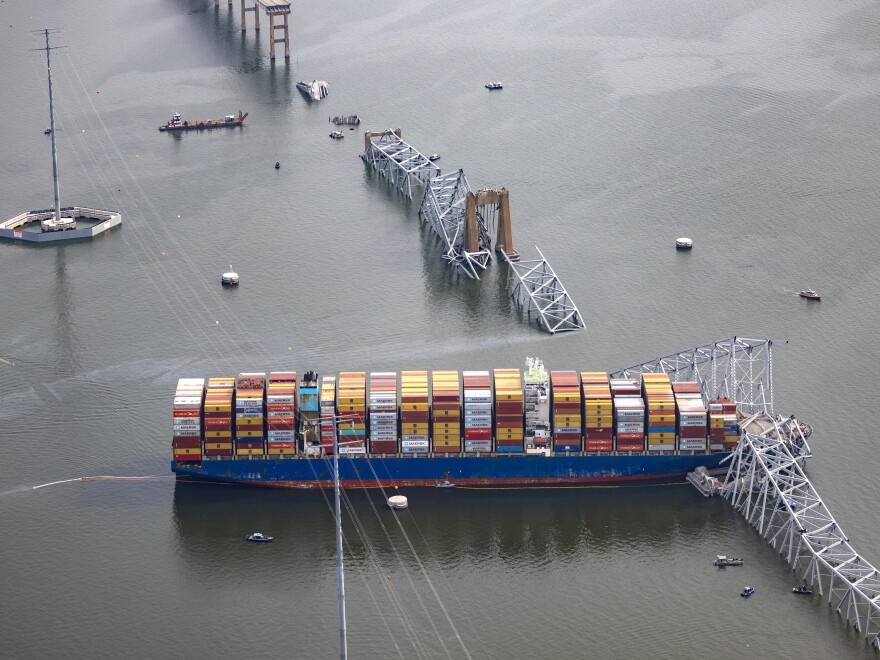
Aerial view of the collapsed Francis Scott Key Bridge and MV Dali in the Patapsco River, Baltimore — March 28, 2024. The bridge's central span collapsed directly onto the vessel's forward deck. Source: MAXAR / Google Earth via NTSB.
Background
The Ship, the Bridge, and What the Investigators Found
The Francis Scott Key Bridge was built in 1977 and carried Maryland Route 695 over the Patapsco River. It was 9,086 feet long, with a maximum vertical clearance of 185 feet above the main navigation channel. In 2023 alone, 3,775 ocean-going vessel transits passed under that bridge.
The NTSB's post-incident vulnerability assessment found something alarming: the bridge's collapse risk was almost 30 times greater than the acceptable AASHTO threshold for critical bridges. No vulnerability assessment had ever been required for a bridge built before 1991. No assessment had ever been done.
The Dali itself was a 984-foot Singapore-flagged containership, operated by Synergy Marine. It had been in Baltimore loading cargo and was departing for Sri Lanka with a Maryland State Pilot aboard. The Chief Engineer — Karthikeyan Deenadayalan, an Indian national — had signed on to the Dali in January 2024. He later admitted he never received a proper familiarization handover when he joined.
Criminal Charges — June 2026
Chief Engineer Karthikeyan Deenadayalan — charged with violating the Ports and Waterways Safety Act for knowingly failing to notify the US Coast Guard about hazardous conditions aboard the Dali before departure. He entered a Deferred Prosecution Agreement in June 2026, admitting criminal conduct. Maximum possible penalty: 6 years in prison. Prosecution deferred for 36 months pending cooperation with ongoing criminal trial.
Synergy Marine Group — faced an 18-count criminal indictment in May 2026, charged with concealing unsafe conditions through falsified inspection records and circumventing maritime safety requirements. Criminal trial set for October 2027.
Technical Superintendent Radhakrishnan Karthik Nair — separately indicted. The CE admitted Nair directed him to send a "convincing" email to the charterer to prevent questions about the Dali's fuel consumption — hiding the use of the unsafe flushing pump.
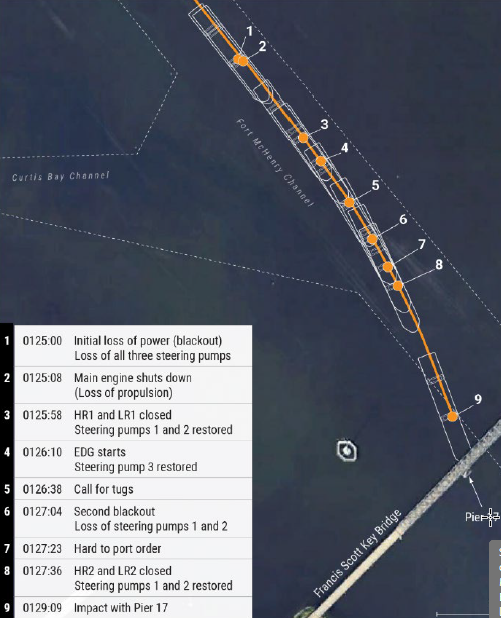
Track line of the Dali after departing Seagirt Marine Terminal and approaching the Key Bridge — showing the vessel's path through the Fort McHenry Federal Channel. Source: NTSB Investigation DCA24MM031.
The Sequence of Events
What Happened in the Engine Room — Minute by Minute
The Dali experienced at least four power outages before striking the bridge — a fact that makes the failure even more damning. The final sequence unfolded in the darkness of a Baltimore morning with 23 people on board and no way to stop a 984-foot ship.
01:24WARNINGDali departs Seagirt Marine Terminal — Maryland State Pilot aboard, outbound passage beginsBridge
01:25BLACKOUT 1Complete loss of electrical power — caused by loose wire in terminal block preventing proper connection. First blackout lasts 58 seconds. Steering, bow thruster, pumps — all lostAll systems
01:25CRITICALFlushing pump (non-redundant, no auto-restart) fails to restart after blackout — generators 3 and 4 cannot receive fuel. Normal fuel pumps already in disrepair — unable to be usedEngine room
01:26BLACKOUT 2Second complete blackout — flushing pump cannot restart automatically. Ship now has no propulsion, no steering, no bow thruster. Drifting towards Key Bridge at 8–9 knotsAll systems ❌
01:26WARNINGPilot orders emergency anchor drop — last available option to slow the vessel. Mayday broadcast. Police notified to stop bridge trafficBridge
01:28WARNINGPolice stop traffic on Francis Scott Key Bridge. Six workers in road crew not yet cleared from bridge — still on Pier 17 sectionBridge deck
01:29COLLISIONMV Dali strikes Pier 17 — southern pier supporting central span of Francis Scott Key Bridge. Central span collapses. Six construction workers killed. One crew member aboard Dali sustains minor injuryFATAL ❌
Timeline
From Departure to Disaster — and What Came After
Jan 2024
Chief Engineer joins Dali — no handover
Karthikeyan Deenadayalan signs on as CE. He immediately discovers generators 3 and 4's fuel oil system is in such disrepair it cannot be properly operated. No proper familiarization handover received from predecessor.
Hidden ProblemMar 2024
Dali arrives Baltimore — unsafe conditions unreported
Dali arrives in Baltimore to load cargo. CE does not notify the US Coast Guard about the hazardous fuel pump configuration — a violation he later admits to. Management directs him to send misleading emails to the charterer.
Cover-Up Begins26 Mar 01:24
Dali departs Baltimore with pilot aboard
Maryland State Pilot boards Dali for outbound transit through Fort McHenry Federal Channel. Vessel clears Seagirt Marine Terminal and heads toward the Key Bridge.
Departure26 Mar 01:25
First blackout — 58 seconds — loose wire
A single wire with label banding preventing full insertion into a terminal block spring-clamp gate causes an unexpected breaker to open. Complete loss of power for 58 seconds. Steering gone. Bow thruster gone. All critical pumps gone.
Blackout 126 Mar 01:25
Flushing pump cannot restart — fuel supply fails
After the blackout, the flushing pump — being used as the primary fuel supply for generators 3 and 4 — cannot automatically restart. Unlike proper fuel supply pumps, it has no standby, no auto-restart, and cannot be restarted from the engine control room.
Fuel Supply Lost26 Mar 01:26
Second complete blackout — all propulsion lost
Without fuel supply, the generators cannot sustain power. Second complete blackout. MV Dali now has no propulsion, no steering, no bow thruster. The vessel is drifting at speed directly toward the Key Bridge's main pier.
Total Blackout26 Mar 01:26
Mayday broadcast — anchor dropped
Pilot broadcasts mayday. Crew drops anchor — the only remaining option. Police are called to stop bridge traffic. But the bridge is 700 feet wide and the ship is only minutes away.
MAYDAY26 Mar 01:29
Dali strikes Pier 17 — six workers killed
MV Dali strikes the southern pier of the Key Bridge's central span. The bridge collapses. Six construction workers — who had not been cleared from the bridge in time — die. One crewmember aboard sustains minor injuries.
Bridge CollapsesDec 2025
NTSB releases final investigation report
NTSB publishes MIR-25-10 identifying the loose wire as the initiating cause, the broken fuel pump system as the cascading failure, and the bridge's vulnerability assessment gap as a systemic failure. 68 other US bridges identified at unknown collapse risk.
NTSB ReportMay 2026
Synergy Marine criminally indicted — 18 counts
DOJ unseals 18-count criminal indictment against Synergy Marine Group — alleging concealment of unsafe conditions, falsified inspection records, and circumventing maritime safety requirements.
Criminal ChargesJun 2026
Chief Engineer criminally charged and enters agreement
Karthikeyan Deenadayalan charged with violating the Ports and Waterways Safety Act. He enters a Deferred Prosecution Agreement — admitting criminal conduct, facing up to 6 years in prison if agreement violated. First crew member to face charges.
CE ChargedOct 2027
Criminal trial — Synergy Marine
Criminal trial against Synergy Marine and Technical Superintendent Nair scheduled for October 2027. Expected to last more than a month. The story is not over.
Trial Pending
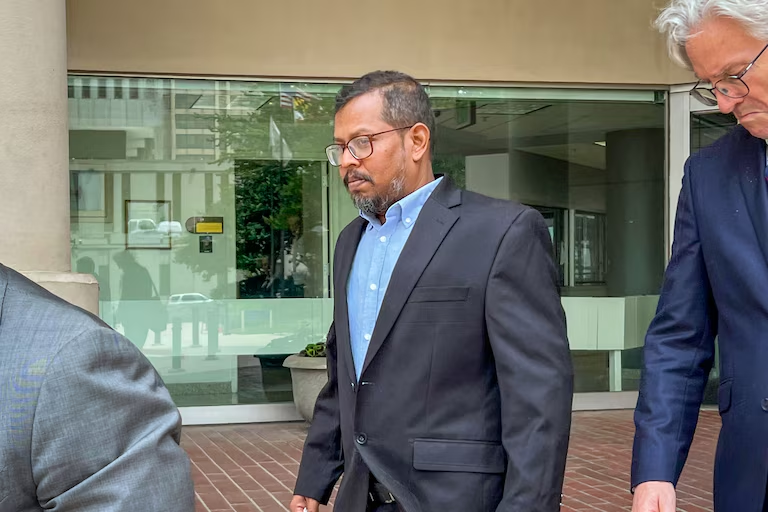
Chief Engineer Karthikeyan Deenadayalan — the first crew member of the Dali to face criminal charges. He admitted failing to notify the US Coast Guard of hazardous conditions aboard the vessel before departure. Source: US Department of Justice.
Technical Analysis
The Engineering Failure — A Loose Wire and a Broken System
The NTSB investigation identified two distinct but connected engineering failures. The first was the initiating event — a loose wire. The second was the catastrophic consequence — a fuel supply system that could not recover from a blackout.
The loose wire: Wire-label banding around one wire prevented it from being fully inserted into a terminal block spring-clamp gate. This inadequate connection caused an unexpected breaker to open — triggering the first blackout. The breaker was set to manual mode rather than automatic. If set to automatic, investigators confirmed the first blackout would have lasted 10 seconds instead of 58 — potentially enough time for the crew to recover before the second failure cascaded.
The broken fuel system: Generators 3 and 4's proper fuel supply and booster pumps were in complete disrepair — unable to be properly used. The crew had been using a maintenance flushing pump as the primary fuel supply. This pump was never designed for this purpose.
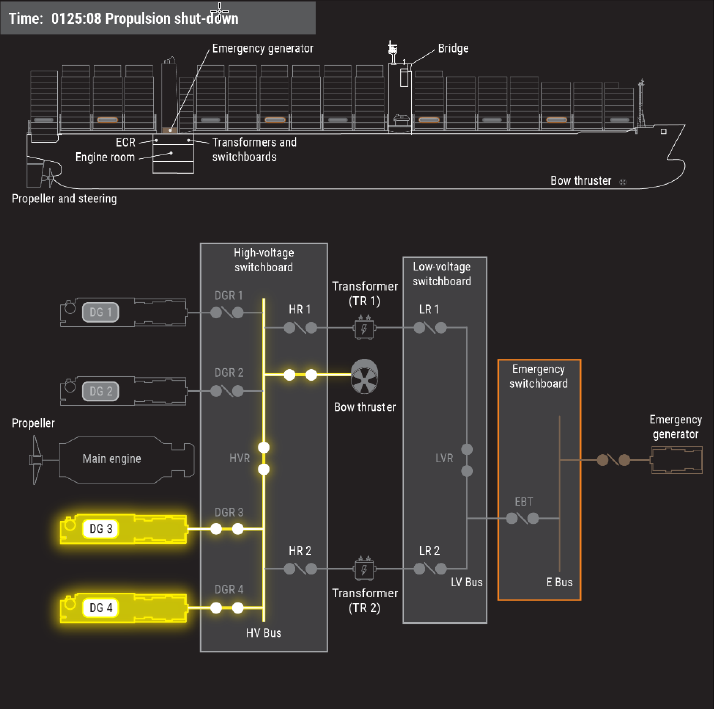
NTSB diagram showing the propulsion shutdown sequence aboard MV Dali — the chain of electrical and mechanical failures that led to total loss of power and steering. Source: NTSB Investigation Report MIR-25-10.
Proper Fuel Pump vs Flushing Pump — Why It Mattered
✅ Proper Fuel Supply Pump
Designed for continuous fuel supply operation
Automatically restarts after power loss
Has a standby backup pump
Can be restarted from engine control room
Redundant — designed for critical operations
❌ Flushing Pump (what Dali was using)
Designed only for flushing fuel lines during maintenance
Cannot automatically restart after power loss
No standby backup pump
Cannot be restarted from engine control room
Non-redundant — never designed for critical ops
The Complete Failure Chain
Loose wire
terminal block
→
Breaker opens
58s blackout
→
Flushing pump
won't restart
→
No fuel to
generators
→
2nd blackout
no propulsion
→
Bridge strike
6 dead
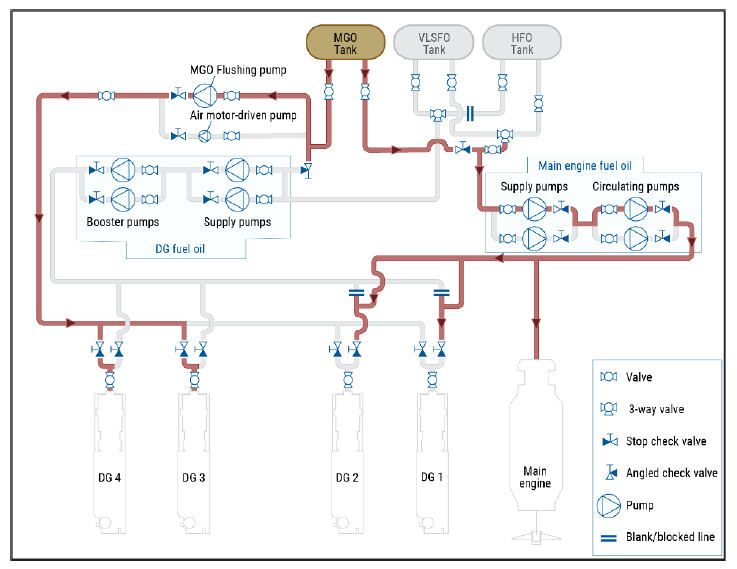
Generator engine fuel oil service system diagram — showing the proper fuel supply and booster pump configuration versus the flushing pump the Dali was using as a substitute. Source: NTSB Investigation Report MIR-25-10.
Root Cause Analysis
Five Failures That Turned a Technical Fault into a Disaster
The Dali disaster was not caused by one failure. It was caused by five failures — technical, human, managerial, and systemic — that compounded on each other at 1:29am on a March morning.
01
One loose wire — inadequate installation
Wire-label banding prevented proper insertion into the terminal block spring-clamp gate. A manufacturing or maintenance defect that should have been caught by inspection. The NTSB identified this as the initiating cause of the first blackout.
02
Breaker in manual mode — not automatic
The high-voltage breaker was set to manual rather than automatic mode. If automatic, the first blackout would have lasted 10 seconds instead of 58 — potentially enough time to prevent the cascade. A simple configuration setting that nobody had corrected.
03
Broken fuel system knowingly operated anyway
The CE knew generators 3 and 4's proper fuel system was inoperable from the day he joined. Instead of fixing it or reporting it, he used a non-redundant maintenance pump as a substitute — and management directed him to conceal this from the charterer.
04
Hazardous conditions hidden from authorities
The CE failed to notify the US Coast Guard about the dangerous fuel pump configuration when arriving in Baltimore — a legal requirement under the Ports and Waterways Safety Act. This criminal concealment directly allowed the vessel to depart in an unsafe condition.
05
A bridge 30x over its collapse risk threshold
The NTSB calculated the Key Bridge's collapse risk was almost 30 times greater than the AASHTO acceptable threshold. No vulnerability assessment had ever been done — never required for bridges built before 1991. The bridge was not equipped to withstand a strike from a vessel the size of the Dali.
The critical engineering insight: Every single one of these five failures was knowable and preventable. The loose wire could have been found by proper inspection. The breaker setting could have been corrected. The fuel system could have been repaired. The Coast Guard could have been notified. The bridge could have been assessed. None of it happened. Six people paid for all five failures with their lives.
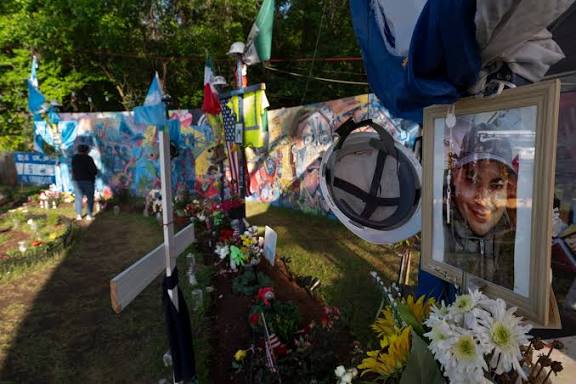
Memorial for the six construction workers killed in the Francis Scott Key Bridge collapse — Maynor Sandoval Ical, Alejandro Hernandez Fuentes, José Mynor López, Carlos Hernández, Dorlian Ronial Castillo Cabrera, and Miguel Luna. They were carrying out routine overnight road repairs. Source: Baltimore community memorial.
Lessons Learned
5 Lessons Every Marine Engineer Must Take From the Dali
These lessons come directly from the NTSB investigation findings and the DOJ criminal proceedings. They are not theoretical. They apply to every watchkeeping engineer on every vessel, right now.
1
A maintenance pump is never a substitute for a critical system
The flushing pump was designed to flush fuel lines during maintenance — not to supply fuel continuously to running generators. Using a non-redundant, non-auto-restart maintenance pump as a primary fuel supply in critical operations is a disaster waiting to happen. If your critical system is broken — fix it, report it, or don't sail. Never substitute a maintenance tool for a safety-critical component.
→ Never operate critical machinery with maintenance substitutes
2
Automatic mode exists for a reason — use it
The Dali's high-voltage breaker was in manual mode. If it had been in automatic mode, the first blackout would have lasted 10 seconds instead of 58 — potentially enough for recovery before the second cascade. Check your vessel's critical breaker and switchboard settings. Manual mode in auto-recovery systems removes a safety layer that was specifically designed to save you in exactly this scenario.
→ Verify switchboard protection settings are in automatic mode
3
You are legally required to report hazardous conditions — no exceptions
The Chief Engineer knew the Dali's fuel system was dangerously broken. He was directed by management to conceal it. He failed to report it to the US Coast Guard as legally required. Six people are dead. He faces criminal prosecution. No management instruction can override your legal and moral obligation to report unsafe conditions to the relevant authority. If your company tells you to hide a hazardous condition — document it, report it externally, and protect yourself.
→ Know your legal duty to report hazardous conditions to authorities
4
Demand a proper familiarization handover — always
The CE joined the Dali without a proper handover from his predecessor. He discovered the fuel system was broken only after joining. A thorough handover of the vessel's actual machinery condition — not just paperwork — is not a formality. It is how you understand what you are responsible for. If you join a vessel and are denied a proper handover, raise it formally in writing immediately.
→ Demand written record of machinery defects at every handover
5
Previous blackouts before sailing are never acceptable — investigate and fix
The Dali had experienced multiple blackouts before the fatal one. Each previous incident was an opportunity to investigate and fix the underlying cause. Instead, the pattern continued until it became fatal. Any blackout at sea — however brief, however quickly power is restored — must be fully investigated, documented, and resolved before the vessel proceeds. A transient fault is not the same as a resolved fault.
→ Treat every blackout as a critical incident requiring full investigation
📄
Official Investigation Sources
National Transportation Safety Board (NTSB) — Marine Investigation Report MIR-25-10
"Safeguarding Bridges from Vessel Strikes" — Published March 18, 2025
NTSB Case Number: DCA24MM031
US Department of Justice — Criminal Information against Karthikeyan Deenadayalan — June 2026
US Department of Justice — 18-count Indictment against Synergy Marine Group — May 2026
Read full NTSB investigation → ntsb.gov
Read DOJ criminal filing → justice.gov